
Quick Answer
If you’re searching for a Wordly alternative that supports voice clone translation, Owll Translator is the top choice. Unlike Wordly, which focuses primarily on real-time speech interpretation, it combines AI-powered voice cloning with multilingual translation — preserving the speaker’s original tone, accent, and natural cadence across languages. It’s purpose-built for meetings, webinars, and audio/video content.
Try Free → Try Free → Try Free →
What is Voice Clone Translation?
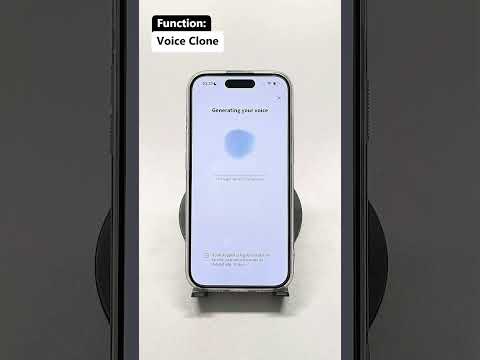
Voice clone translation is an advanced AI capability that goes far beyond simple speech-to-text or real-time interpretation. It refers to the process of translating spoken content from one language into another while simultaneously cloning the voice characteristics of the original speaker — including tone, pitch, rhythm, and emotional inflection.
Traditional translation tools convert words from one language to another, but the translated output is typically delivered in a generic synthetic voice that sounds nothing like the original speaker. Voice clone translation solves this problem by creating a personalized voice model that makes the translated audio sound as if the original speaker is fluently delivering the content in the target language.
This technology is especially valuable for:
- International conferences and summits — where speaker authenticity matters
- Corporate webinars and training videos — where brand voice consistency is critical
- Online courses and e-learning — where instructor familiarity builds learner trust
- Multilingual podcasts and media — where audience connection depends on personal voice
To learn more about how voice-to-voice AI translation works in practice, see our in-depth guide on voice-to-voice translation technology.
Wordly’s Limitations for Voice Clone Translation
Wordly is a well-known platform in the event interpretation space. It provides real-time AI-powered interpretation for live meetings and conferences, and it integrates with popular platforms like Zoom, Microsoft Teams, and Webex. However, when it comes to voice clone translation specifically, Wordly has several notable limitations:
- No voice cloning capability: Wordly translates speech into another language, but the output uses a standard synthesized voice — not the speaker’s own voice. The personal identity of the speaker is lost in translation.
- Live events only: Wordly is designed predominantly for live, real-time interpretation. It does not offer robust solutions for asynchronous audio/video content translation with voice cloning.
- Limited customization: Users cannot configure the voice output to match the original speaker’s characteristics. There is no voice model training or personalization pipeline.
- No post-production workflow: For teams that need to translate recorded video content — such as product demos, training sessions, or executive communications — Wordly does not provide a post-production voice cloning workflow.
- Enterprise-focused pricing: Wordly’s pricing model is largely tailored to enterprise event use cases, which may be cost-prohibitive for smaller teams or content creators who need flexible, per-project voice cloning.
These gaps have led many teams to look for a Wordly alternative that better serves voice cloning needs across both live and recorded content scenarios.
Wordly vs Owll: Feature Comparison
| Feature | Wordly | Owll |
|---|---|---|
| Voice Cloning | ❌ Not supported | ✅ AI voice cloning preserves speaker identity |
| Real-time Translation | ✅ Yes, for live events | ✅ Yes, live meetings & async content |
| Supported Languages | ~60+ languages | Multiple languages with expanding support |
| Best For | Live enterprise event interpretation | Meetings, webinars, video & async content with voice cloning |
| Pricing | Check the official website for current pricing | Check the official website for current pricing |
Why Owll Translator is the Best Wordly Alternative for Voice Cloning
Owll Translator was built with a fundamentally different philosophy from traditional interpretation platforms. Rather than simply converting words from one language to another, the platform is designed to preserve the human element of communication — meaning the speaker’s voice, personality, and presence carry through even after translation.
Here’s what sets the platform apart as a Wordly alternative:
1. True AI Voice Cloning
The platform uses state-of-the-art voice synthesis models to clone a speaker’s voice and apply it to translated output. Whether you’re translating a keynote speech, a corporate training video, or a live meeting, the translated audio sounds like the original speaker — not a robot.
2. Versatility Across Live and Recorded Content
While Wordly excels in live event scenarios, the platform handles both real-time and asynchronous content with equal capability. Teams can translate pre-recorded videos, upload audio files, or run live sessions — all with voice cloning enabled throughout.
3. Meeting Platform Integration
The platform integrates seamlessly with popular collaboration tools. If your team relies on Microsoft Teams for global meetings, you can explore how Owll enhances Teams meeting translation with AI-powered voice capabilities that go beyond standard captions and subtitles.
4. Accessible for Teams of All Sizes
Unlike enterprise-only platforms, the tool is accessible to small teams, content creators, educators, and large organizations alike. Its flexible model means you can start small and scale as your multilingual communication needs grow.
5. Focus on Audio & Video Content
the platform is purpose-built for audio and video translation use cases — the exact scenarios where voice cloning delivers the most value. This focus means the product experience, tooling, and output quality are all optimized for spoken-content workflows.
Use Cases: When to Choose Owll Over Wordly
There are specific situations where switching from Wordly — or choosing it from the start — makes a clear difference in output quality and audience experience:
- Executive communications: When a CEO or senior leader delivers a message that needs to reach a global team, voice cloning ensures the authority and tone of their voice remains intact in every language version.
- Product launch videos: Marketing teams translating product demo videos for international markets benefit from voice-cloned narration that feels authentic rather than dubbed.
- Global team meetings: International teams that meet regularly via video conferencing need real-time translation that doesn’t sacrifice the natural flow of conversation — the platform delivers this without the robotic output of generic TTS engines.
- Online courses and training: Educators and L&D teams who have invested in high-quality course recordings can translate those recordings into additional languages while keeping the instructor’s voice consistent across all versions.
- Multilingual webinars: Webinar hosts who speak to audiences in multiple regions can deliver a cohesive, voice-consistent experience to every attendee regardless of their language.
Frequently Asked Questions
Is Owll Translator a direct replacement for Wordly?
Yes — it can replace Wordly for most use cases, and it goes further by adding voice cloning capabilities that Wordly does not offer. If your primary need is live event interpretation without voice cloning, Wordly may suffice. But if you need translated audio that sounds like the original speaker, or if you work with recorded content, the platform is the stronger choice. Try it free to evaluate it for your specific workflow.
Does voice clone translation work in real time?
Yes — modern AI voice cloning systems, including those powering this tool, are designed to operate with low latency for live scenarios. The technology has matured significantly, enabling real-time voice cloning translation in meeting and webinar settings without noticeable delays that would disrupt natural conversation flow.
How many languages does Owll support for voice cloning?
The platform supports voice cloning translation across multiple languages, with ongoing expansion of language coverage. For the most current and accurate list of supported languages, visit the official Owll Translator website, where language availability is kept up to date.
Can I use this platform for pre-recorded video content?
Absolutely. Unlike Wordly, which is focused on live interpretation, the platform is built to handle both real-time and pre-recorded audio/video content. You can upload recorded files and receive translated output with voice cloning applied — making it ideal for localizing existing video libraries into new languages.
Ready to Experience Voice Clone Translation?
If you’ve been relying on Wordly for multilingual communication but need the added power of voice cloning, it’s time to explore what this platform can do for your team. Whether you’re running global meetings, producing multilingual video content, or hosting international webinars, it delivers translation that sounds natural, authentic, and true to the original speaker.
Don’t settle for robotic synthetic voices when your audience deserves to hear the real you — in their language.
Leave a Reply